
Inside Denver’s quick, competitive — and quiet — sensory-friendly roller derby
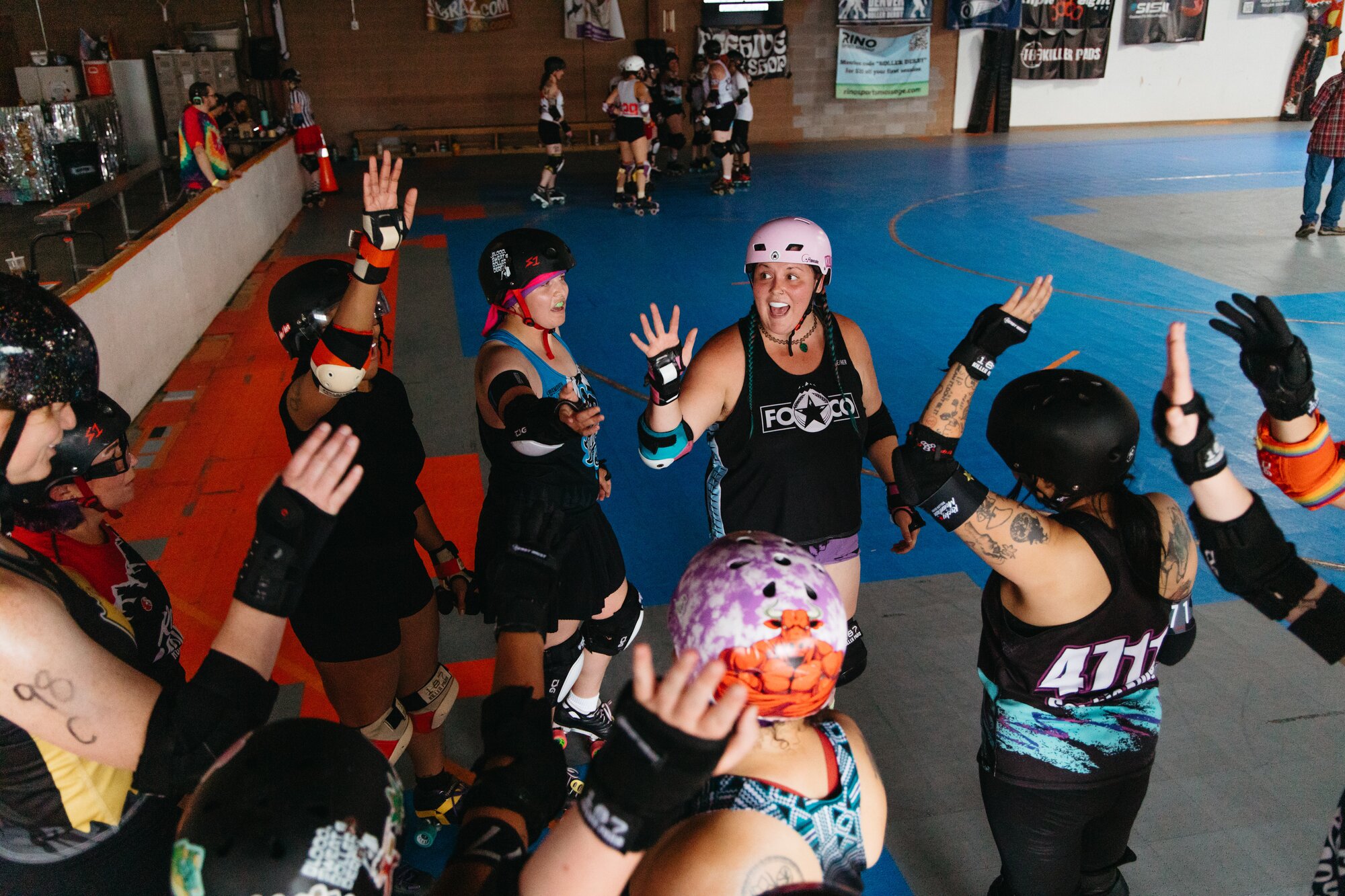
While some people travel across state lines to experience the unique bout, Jeremiah Peck ended up at the event when a friend had an extra ticket. It marked his first roller derby experience, and he was pleasantly surprised to stumble across a sensory-friendly event.
Though Peck has ADHD and doesn’t mind stimulating environments, he said he often seeks out sensory-friendly events for his partner, who is easily overstimulated. Events with sensory accommodations for neurodivergent audiences are not unheard of in Denver, he said, but he has to be intentional about finding them. He said sensory-friendly sporting events are much more rare, in his experience.
Several sports venues in Denver, like Ball Arena and Empower Field, offer free “sensory bags” to guests, which include noise cancelling headphones, fidget tools and other resources.
“I think [it] just opens up the sport and makes it just a thoughtful viewing experience for all kinds of different people on the neurodivergent spectrum,” Peck said about the event’s accommodations.
Due to injury, Rivas watched from the sidelines for this year’s event, but they said skating in the inaugural sensory-friendly bout last year meant the world to them.
“The first thing I could notice was that I could sense my breathing, and my mind and my body felt free and at peace. There wasn't a need to regulate while I was skating. I could just concentrate on the game that I had loved for 15 years, but never in a way that I had experienced it before,” Rivas said.
Rocky Mountain Roller Derby is a sanctioned league within the Women’s Flat Track Derby Association, and is open to female-identifying and non-binary athletes. The sensory-friendly bout — played between a “black” and “white” team made up of league members — didn’t count toward WFTDA rankings.
Rocky Mountain Roller Derby is one of two major leagues in Denver. They share the Rollerdome as a practice and competition space with the other large league, Denver Roller Derby. Colorado has six sanctioned flat-track leagues across the state and even more local leagues not affiliated with the WFTDA.
Roller derby has had several renaissances since event promoter Leo Seltzer — who spent time hosting dance marathons in Denver during the Great Depression — founded the sport in Chicago in 1935. The modern era of roller derby, which launched in 2001 in Austin, Texas, has a strong DIY culture and punk aesthetic. Feminist and queer empowerment are central to the sport’s identity.
“Roller derby has always been a more progressive sport, but it's not immune to still being a microcosm of the macrocosm of everything that is happening in the world right now … We struggle with racism, ableism, and just generally trying to be more inclusive,” Rivas said.
Rivas referenced the Colorado Shiners, the state’s first BIPOC-only roller derby league, which disbanded after a few seasons, in part due to receiving unfavorable practice times at the shared Rollerdome.
“But I think we're in an era of roller derby where that's finally coming to our awareness that we are catering more towards white women than we are to including everybody and making it a sport where people can truly belong,” they added.
Josephine Derouen (derby name: Blaze) started skating in Denver derby leagues at 15 years old and has been with Rocky Mountain Roller Derby for a year and a half. Derouen, 24, who also deals with sensory processing issues, agreed with Rivas about the inclusivity gaps in Denver’s roller derby scene.
“I think we're lacking in a lot of inclusive ways,” Derouen said. “But it's part of the reason why something like this [sensory-friendly bout] is so important because it's recognizing those areas where we're less inclusive and moving towards that.”
Based on facts, either observed and verified firsthand by the reporter, or reported and verified from knowledgeable sources. To read more about why you can trust the journalism of Rocky Mountain PBS, please visit our editorial standards and practices page.