
Southwest Colorado rancher starts bison project to help feed local families
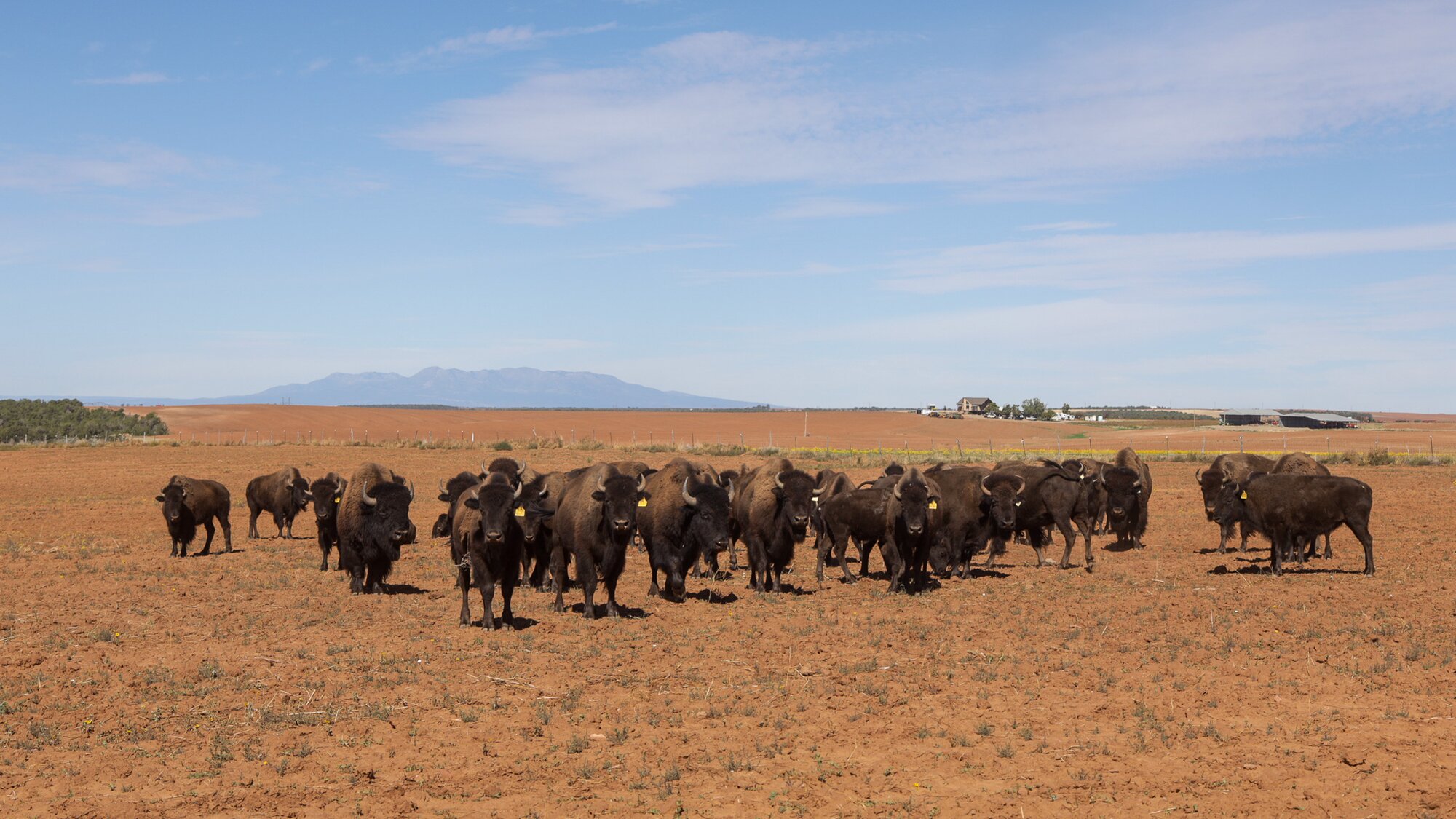
Under the plan, Farming Hands Initiative would own the bison while a rancher raises them. Neely is testing the model as the first producer.
Most of the animals raised through the project would form a breeding herd, with a small percentage harvested for meat. The nonprofit also plans to use the grant funds to purchase a market-size bison later this year to eventually process and donate around February. Possible recipients include the Good Samaritan pantry and programs serving Ute Mountain Ute families, although those partnerships have not been finalized.
Neely estimates one bison can provide at least 300 pounds of meat.
Food insecurity remains a significant issue across the region. Feeding America reports that about one in eight Western Slope residents experienced food insecurity in 2024. In Montezuma County, about one in five residents receive benefits through the Supplemental Nutrition Assistance Program.
Nicci Crowley, LOR Foundation’s community officer in Cortez, also volunteers at Good Samaritan. She said the pantry recently served 46 households in two hours and signed up several new families for assistance.
Food pantries can struggle to get a steady supply of meat because what is available often depends on donations and food bank supplies. The bison project is intended to create a more reliable, locally produced source of protein.
However, Neely said putting the idea into practice is more complicated than it sounds.
Few USDA-inspected processors in southwestern Colorado handle bison. Neely has previously taken animals to Grand Junction for processing, requiring one trip to deliver the animal and another to pick up the meat.
Farming Hands Initiative must also work through questions about insurance, liability and who pays for feed, water, equipment and labor.
The nonprofit is still developing a producer contract that outlines those responsibilities. Neely is serving as a volunteer producer during the pilot, but she said the model would need to make participation worthwhile for future ranchers.
Building the herd will also take time. Female bison generally have one calf a year, and it can take close to three years for an animal to reach market size. The project must also account for animals that do not breed, losses within the herd and maintaining healthy genetics.
If the pilot works, Farming Hands Initiative hopes to involve more ranchers and expand the model to cattle, pigs, goats and lambs.
“It’s a way that communities could help each other, help themselves,” Neely said. “It gets us less dependent on that grant cycle.”
Based on facts, either observed and verified firsthand by the reporter, or reported and verified from knowledgeable sources. To read more about why you can trust the journalism of Rocky Mountain PBS, please visit our editorial standards and practices page.