
Medicaid is a ‘lifeline’ for people with chronic illness. Starting next year, it’ll be harder for some to get coverage
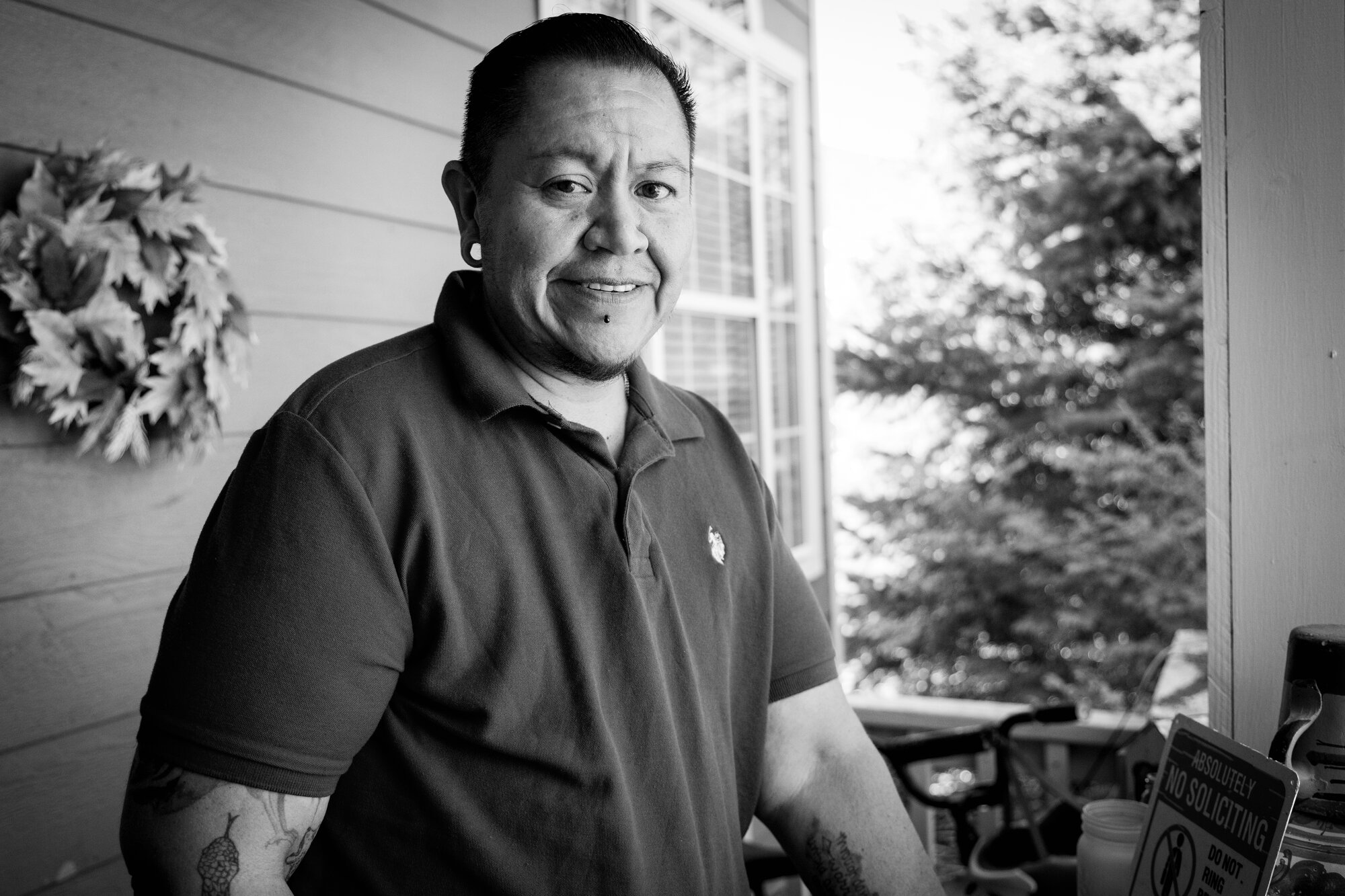
During his 20s, Garcia ran his own construction company. One day, he suddenly became very ill, experiencing sharp pain in his abdomen, he recalled. The pain became so severe that he eventually needed emergency surgery to have his gallbladder removed.
“The surgery plus when you add in all the bleeding disorder medications that are needed and the hemophilia team that needs to be involved, it can be a lot,” Garcia said. “I ended up having to shut down my company and ended up on Medicaid. And literally that is what saved my life. If it hadn't been for Medicaid being able to cover those medications, I wouldn't be here.”
A couple years ago, Garcia was in a car accident. He remembers his friend making a GoFundMe for him just to be able to afford the medications he needed prior to being treated for his injuries.
Today, as a husband and father of four boys, Garcia said he is constantly fearful of what could happen if he gets into an accident or has a medical emergency.
“How is that going to impact my family? Where am I going to get money from? How am I going to continue to cover our bills?” he said.
“I can definitely run through my 401(k) really, really quickly having to pull out for medical bills. For me, Medicaid has been a lifeline. I've gotten sick. I've had to take time off. I've gotten on Medicaid, been able to get the medications I need, been able to get healthy, recover and then get back into the workforce.”
According to Republican Rep. Lauren Boebert, who represents Colorado’s 4th Congressional District and voted in favor of the One Big Beautiful Bill Act, the bill is intended to address “fraud, waste, and abuse” that she said was draining Medicaid.
“Those savings were repurposed, including the $50 billion Rural Health Transformation program that I helped pass,” Boebert said. “Colorado is getting more than $200 million in year one alone. That is a real victory and a victory I am proud to celebrate.”
The RHTP is a five-year nationwide initiative administered by the Centers for Medicare and Medicaid Services designed to strengthen healthcare in rural communities.
“More than half of the rural hospitals in the state are operating at a loss. So how do you make up for that?” said Kevin Stansbury, CEO of Lincoln Health in Hugo, Colorado.
Lincoln Health, a designated Critical Access Hospital, is the only hospital along the I-70 corridor between the Denver metro area and Burlington, near the Kansas border.
The hospital applied for a little more than $3 million in grants from the RHTP, Stansbury said.
“That $3 million that we applied for will not replace the losses we're going to incur from H.R.1.,” Stansbury said.
Half of Lincoln Health’s patients are covered by Medicare and about a quarter by Medicaid, Stansbury said. He warned that cuts to Medicaid coverage could make it harder for people to access primary care.
“What that creates then is, those chronic conditions especially, they’ll get worse and worse, and we push patients into the most expensive part of our care system in the emergency department,” he said.
Based on facts, either observed and verified firsthand by the reporter, or reported and verified from knowledgeable sources. To read more about why you can trust the journalism of Rocky Mountain PBS, please visit our editorial standards and practices page.