
‘I’ve never seen anything like this’: This summer hasn’t been so peachy for farmers
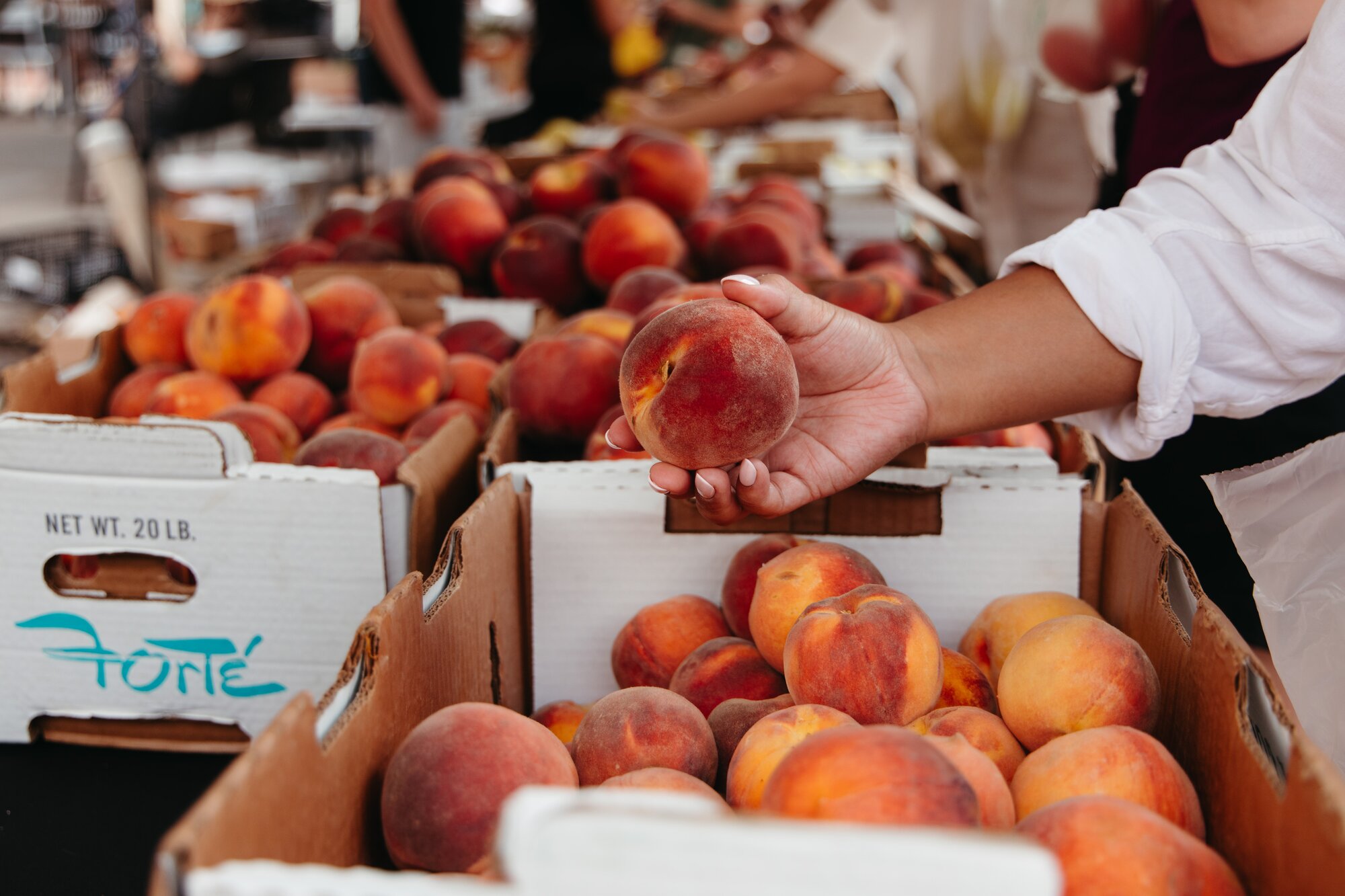
DENVER — This summer has been anything but ordinary for Palisade peach grower John Mueller.
“It’s probably one of the weirdest growing seasons I’ve been involved with in the last 25 to 30 years,” said Mueller, owner of Green Barn Fruit Co. “I usually can pick 300 or 400 boxes in a day. Right now I’m excited if I get 100 boxes.”
An unseasonably warm winter, followed by a late spring freeze, severe drought and record warmth in Colorado reduced this year’s supply of peaches and made the harvest season come three weeks earlier than usual.
Colorado’s peaches, largely grown in Palisade and the Western Slope, are known for their exceptional sweetness and juiciness and are mostly distributed through farmer’s markets and roadside stalls.
This year’s intense heat, which researchers say is the result of climate change, has had ripple effects across the industry. Restaurants and distributors have had to get creative and source from more orchards than usual — and growers have produced less premium, high-quality fruit, if any at all.
“Usually a peach needs to be about a baseball size. We had a lot of peaches that got maybe a tennis ball size. And you can't sell those as premium Palisade peaches,” Mueller said.
In Delta County, just east of Palisade, several farms lost all of their fruit crops from a severe freeze April 17, including First Fruit Organic Farms in Paonia and Ela Family Farms in Hotchkiss.
“It’s a tough blow to have 130 acres of full crops wiped out overnight,” First Fruit Organic Farms wrote on their Facebook page at the end of April.
Ela Family Farms said they, too, lost their entire fruit crop of peaches, pears, apples, cherries and plums. The farm, a typical mainstay with an abundance of fresh produce at farmer’s markets, has turned to selling sauces, fruit butters and dried fruits instead.
Due to this year’s historically warm winter, fruitlets — young, newly formed fruits that normally come out of dormancy in April — bloomed in early February, making them more vulnerable to late season freezes like the one that scarred Delta County in April.
Overnight lows remained elevated throughout the growing season, further straining the orchards. Cooler evening temperatures are critical for prime peach production.
“In the evening it hasn't been cooling down,” said Mueller, who has recorded temperatures in the high 80s and 90s at 10 p.m. “When it cools down at night, it gives a chance for the tree to rest and push that energy into the peach.”
Kaila Reber, owner of Peach Haus, a farm stand operator with 40 locations between Fort Collins and Colorado Springs, said shoppers were incredulous when she started selling fruit in June. In a typical year, sales begin in July.
“We’re getting people like, ‘These aren’t real Palisades peaches. You’re way too early,’” she said. Others questioned whether she was selling real Palisade peaches due to their smaller sizes.
Reber said smoke from this summer’s fires have also led to some inking or scarring on some of the fruit.
“The peaches are fine,” said Reber. “People just want this beautiful perfect peach with no blemishes, and that’s been a little tricky this season.”
Typically, Colorado’s peach season runs through mid-September, but most farmers are anticipating this year’s season will end by late August.
“August has picked up a lot for us and people are like, ‘Oh it’s peach season,’” Reber said. “And we’re like ‘We’ve been out for five weeks already — get 'em now because it’s going to end in two weeks.’”
Mueller is worried he won’t have enough peaches for the annual Palisade Peach Festival August 21-22.
“Tens of thousands of people come,” he said. “I don’t think I’ll have enough.”
Several restaurants and caterers Rocky Mountain PBS spoke to said they’ve been able to continue serving Colorado-grown peaches but have had to reach out to more suppliers and regions than in years past.
Executive chef Thach Tran of Footers Catering said his company has leaned more heavily on peaches from Mesa, Montrose and Montezuma counties. Tran said the April frost forced his Denver-based company to turn away from their typical Delta County growers.
Paul Warthen, the chef and owner of Denver farm-to-table restaurant Potager, said he had to find new suppliers. The restaurant's current dessert menu features a sponge cake with Palisade peach and whipped cream.
Warthen said they haven’t struggled too much because Potager changes its menu every month. “I always have more suppliers. That’s the good thing about buying from everyone and spreading the love,” he said.
He said this year, he’s struggled with other fruits more than peaches. Warthen said he wasn’t able to locally source plums, nectarines or apricots. The ones available went up in price between 25 and 100 percent, he said.
Sources Rocky Mountain PBS spoke to said to buy your peaches now before the season ends in the next two weeks. And expect a less than stellar supply and variety of locally-grown apples and pears this season.
Additional reporting by Adrian O’Farrill.
Based on facts, either observed and verified firsthand by the reporter, or reported and verified from knowledgeable sources. To read more about why you can trust the journalism of Rocky Mountain PBS, please visit our editorial standards and practices page.