
'The worst I've ever seen': Fourth-generation chile farmer reflects on a difficult growing season
share
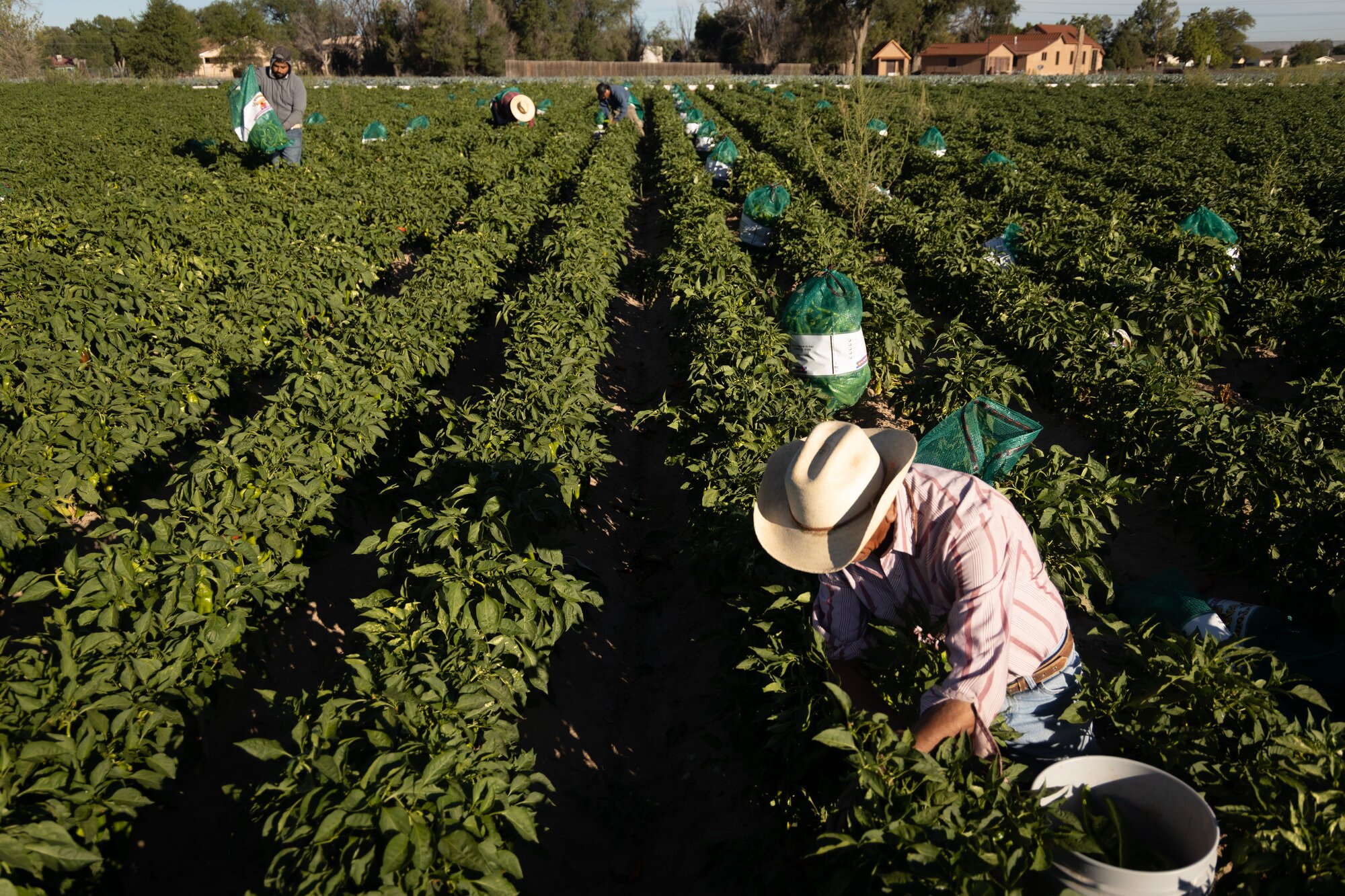
PUEBLO, Colo. — Colorado’s green chile season is winding down and this year, fourth-generation farmer Gary DiTomaso is not sad to see it go.
“This is the worst I've ever seen,” DiTomaso said. “I think if you look at the history, we've never had a year with this low of snowpack.”
DiTomaso is right: this year produced the lowest snowpack in Colorado’s recorded history. With less water available for irrigation, DiTomaso, who runs DiTomaso Farms in Pueblo, left nearly half of his ground unplanted, or fallowed.
DiTomaso cut back on all of the produce on his farm this year. In addition to the area’s famed chiles, the farm grows sweet corn, tomatoes, cantaloupes and watermelons. Even though he only ended up planting on half of his land this year, DiTomaso still spent time and money (on diesel fuel for equipment) to prepare the ground for crops.
Drought and water shortages, made worse by long-term climate change, force farmers to decide which crops are worth planting. Mike Bartolo, a third-generation farmer in Pueblo County and a retired research scientist and vegetable crops specialist at Colorado State University, said farmers often concentrate limited water on crops that offer the greatest economic return, leaving other fields empty.
“If you've only got 10% or 15% of your water supply, for example, because of the snowpack, you're going to fallow a lot of ground,” Bartolo said.
Gary DiTomaso works alongside his son-in-law, Chris Thompson, who helps manage the family farm. Thompson said that typically, they plant 10 or 15 acres of chile in one field. This year, their largest chile field was 8 acres. They split up the chile across smaller fields to use water more efficiently.
The irrigation water comes to the farm from the Bessemer Ditch, DiTomaso said. They use 12-hour irrigation sets, meaning they change the water at midnight and return early in the morning to get water at the other farms.
“We don’t get much sleep, but it’s how we feed our family,” Thompson said. “It's what we have to do.”
As this year’s farming season comes to an end, DiTomaso is looking west for some hopeful signs.
“We need a bunch of snow in the mountains,” he said.
Type of story: News
Based on facts, either observed and verified firsthand by the reporter, or reported and verified from knowledgeable sources. To read more about why you can trust the journalism of Rocky Mountain PBS, please visit our editorial standards and practices page.
Based on facts, either observed and verified firsthand by the reporter, or reported and verified from knowledgeable sources. To read more about why you can trust the journalism of Rocky Mountain PBS, please visit our editorial standards and practices page.