
Managing Moose: Colorado's Most Dangerous Animal
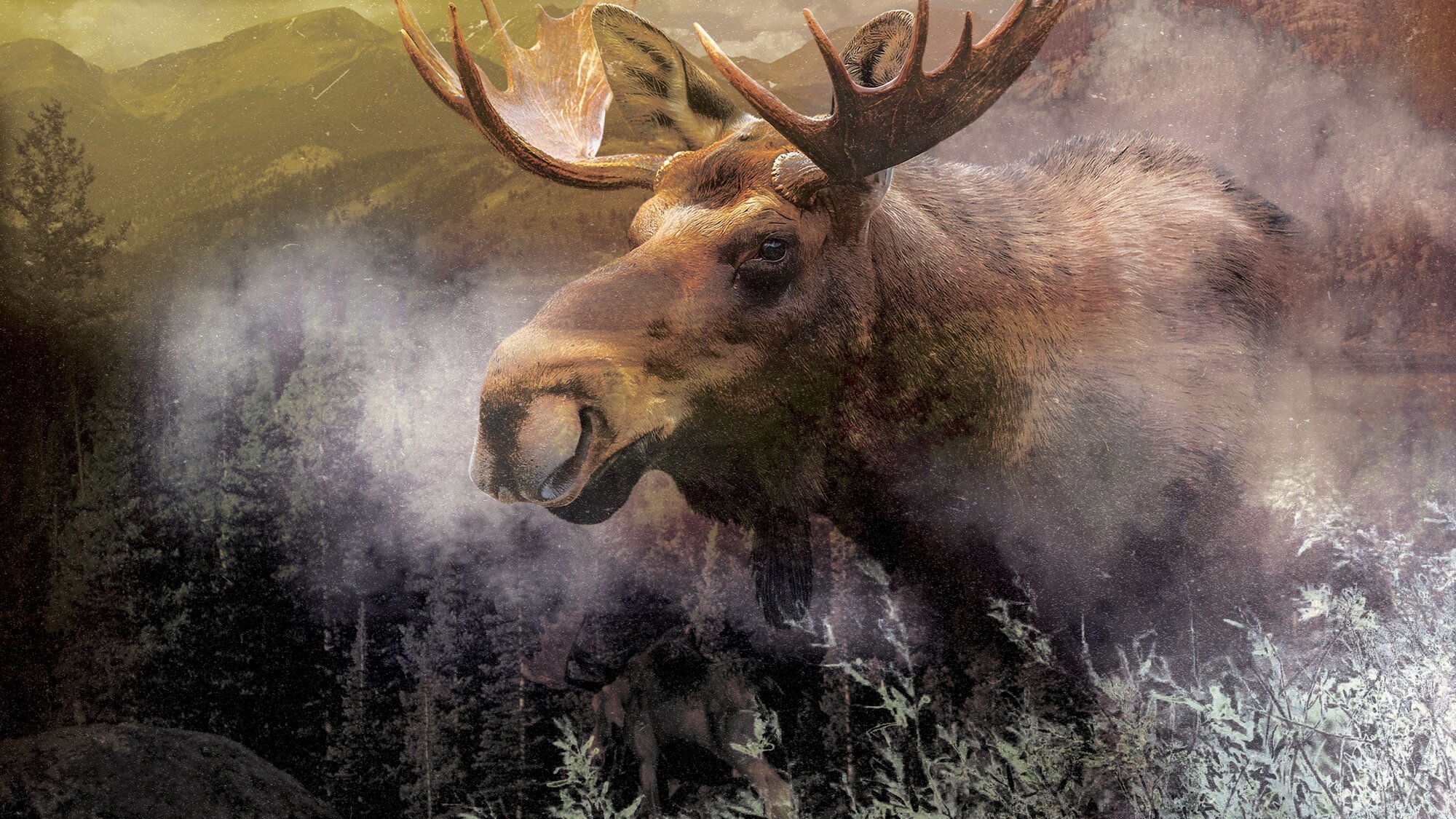
DENVER — For Colorado scientists and wildlife managers, there is much ado about moose.
In the 1970s, the Colorado Division of Wildlife launched a program to bring moose into the state and set up a breeding population. They relocated about 250 moose over the next few decades, and the state’s current moose population is estimated to be 3,400. A multi-year study counted about 240 moose in Rocky Mountain National Park in 2025, an almost 50% population increase in a five-year span.
The prevalence of moose in the region helped save Walden — the only incorporated town in Jackson County, northwest of the park — by boosting its tourism economy after the Colorado legislature named it the moose-viewing capital of the state in 1995.
The elusive, dangerous-yet-lovable giants thrived on the environment’s abundant tall willows. But the willows are not so abundant anymore. Moose are a major contributor to the degradation of the Rocky Mountain National Park’s willow population, which is an important plant in the success of the area’s wetland ecosystems, which many species rely on.
The environmental impact of the growing moose population has scientists and some media outlets questioning if the species is native to Colorado.
William Taylor, associate professor and curator of archeology at the University of Colorado Museum of Natural History, had this same question. Taylor concluded in a peer-reviewed study, published in June, that moose have been present in the state for thousands of years. The National Park Service disagrees with his conclusion.
“Nativity alone isn't a very important factor for our management [of] moose. I think it's pretty clear that whether they were labeled native or non-native, we would still be writing a management plan for them because we see them having a major ecological effect,” said Will Deacy, a large mammal ecologist with the National Park Service.
Rocky Mountain National Park officials said the park is working on a moose management plan but will not release details yet.
Crystal C’Bearing, the tribal historic preservation officer for the Northern Arapaho tribe who worked with Taylor on his study, believes moose are native to the region because they are embedded in the culture of the Arapaho people, who hunted the species for meat, clothing and other materials.
Big game hunting in Colorado is highly regulated. Seventy-four of the state’s 185 Game Management Units — divisions made by the Colorado Parks and Wildlife to regulate hunting — are open to moose hunting. CPW grants hunting licenses through a lottery system, which is incredibly competitive for moose hunting. Out of 66,000 applicants in 2026, 761 people received licenses.
In Rocky Mountain National Park, hunting is prohibited and other natural predators, like grizzly bears and wolves, are not a consistent presence in the park. This makes it hard to manage the park’s moose population. C’Bearing suggests that the Northern Arapaho and the U.S. governments come to an agreement that allows tribal hunting on National Park land.
As Colorado’s moose population grows, more people continue to move to the state, leading to more human-moose conflicts. In the past seven years, moose have attacked and injured at least 31 people in Colorado. Wildlife biologist and Boulder County resident Chris Ray survived a moose attack in September 2023 while on a walk with her dog, sustaining three back fractures, a broken rib and a broken sternum.
“I am definitely afraid now, and I take precautions. I still carry bear spray and a horn,” Ray said. “I don't have any grudge against moose. They're amazing creatures. So much more capable than I am. I have to have great respect for them.”
William Taylor, associate professor and curator of archeology at the University of Colorado Museum of Natural History, recently published a peer-reviewed study about the history of moose in the Southern Rockies. He conducted the study to contribute to the conversation about how to handle the state's growing moose population. His study determined that moose have been in the area for thousands of years.
Crystal C'Bearing believes moose are native to Colorado. C'Bearing is the tribal historic preservation officer for the Northern Arapaho tribe and worked with Will Taylor on his study on the history of moose in the region. C'Bearing thinks a potential solution to managing the moose population in Rocky Mountain National Park is to allow tribal hunting on the land. When Indigenous communities lived alongside moose, they hunted them for resources, controlling the population, she said.
Will Deacy is a large mammal ecologist with the National Park Service. He doesn't believe moose had a sustained breeding population in Colorado. He doesn't think the nativity of the species should impact the NPS's population management decisions because the environmental impact of moose is evident. He believes the NPS will have a moose management plan to release this winter.
How to speak moose
Meet the production team behind the episode



Based on facts, either observed and verified firsthand by the reporter, or reported and verified from knowledgeable sources. To read more about why you can trust the journalism of Rocky Mountain PBS, please visit our editorial standards and practices page.