
Colorado Experience: Owl Club Debutantes
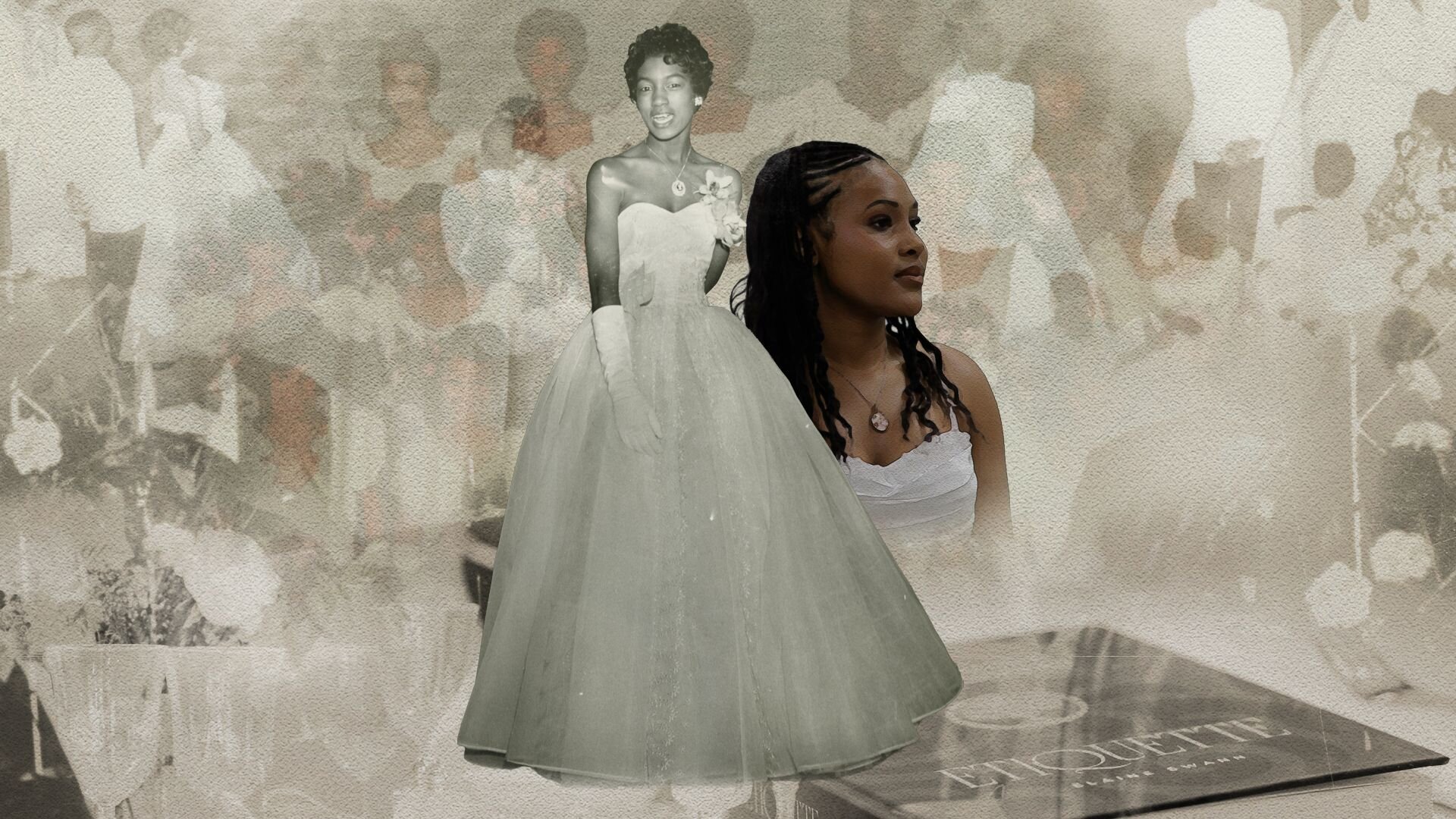
The Owl Club of Denver recently welcomed its newest class of debutantes — 13 high school seniors from across the metro area — at its annual cotillion ball. The cotillion is the culmination of months of preparation, including etiquette lessons, dance rehearsals and dress shopping.
When Jasmine Yol learned about the Owl Club’s debutante ball from her high school counselor, she was excited about the opportunity to meet other academically-driven, young Black women, who "look like [her], talk like [her.]" She applied, along with her best friend, Niyah Williams, and they both were selected as debutantes.
“It’s important that some of us in our community still come and show what it is to be Black because being Black isn't just pigmentation in your skin. It’s being part of a lifestyle, a generation, a history of people that have fought to be here. And I think it’s important to represent that,” Yol said.
The Owl Club formed in 1941 as a social club for Black men in Denver. The men’s wives — known as Owlettes — dubbed the men “night owls” due to their late-night card games, and the name stuck.
Colorado’s Black population grew in the 1940s during the Great Migration, due in part to a plethora of railroad jobs available for Black laborers. In the face of racial segregation and employment discrimination, Black Coloradans formed strong, interconnected community clubs, said Acoma Gaither, the associate curator of Black history at History Colorado.
Owl Club members noticed a lack of social events dedicated to honoring the city’s young Black women, and in 1951, they held the club’s first cotillion. High-status, white American families adopted European cotillion traditions to show off their daughters’ domestic skills and marriage potential, Gaither said, but Black cotillions weren’t about the marriage market. Instead, they highlight the debutantes’ academic accomplishments, community engagement and leadership skills.
More than 1,600 women have been honored at Owl Club debutantes, including former Secretary of State Condoleezza Rice and local dance legend Cleo Parker Robinson.
“I definitely think Black cotillion is really important to highlight in today's political climate when we see an attack on Black history,” Gaither said.
Since taking office in 2025, the Trump administration has taken steps to cut grants for institutions that preserve Black history and remove information about Black historical figures and contributions from federal websites.
“Continuing this practice and challenging that narrative, and providing another avenue to celebrate Black life, I think is amazing,” Gaither added.
Jasmine Yol, one of this year's Owl Club debutantes, graduated in the top 10 in her class from Prairie View High School. In her free time, she loves fashion and doing her make-up. Yol learned about the cotillion from her high school counselor, who thought she'd be a good fit for the program. She said she wants to set a good example for her younger sisters.
Owl Club debutante Niyah Williams graduated from Prairie View High School. She had seen debutante balls portrayed on TV, so she jumped at the opportunity to be part of a cotillion herself. She said she was excited to participate in the etiquette lessons, but the highlight of her cotillion experience was forming a sisterhood with her fellow debutantes.
Acoma Gaither is the associate curator of Black history at History Colorado. Unlike white cotillions, which were used to promote young women's marriage potential, Gaither said Black cotillions were used to honor young women's academic and civic achievements. She believes it's important to preserve this history of Black joy and celebration.
Take a closer look at the historic Owl Club building
Meet the production team behind the episode



Based on facts, either observed and verified firsthand by the reporter, or reported and verified from knowledgeable sources. To read more about why you can trust the journalism of Rocky Mountain PBS, please visit our editorial standards and practices page.