
United Sherpa Association of Colorado sends $30k to Nepal for flood relief
share
GOLDEN, Colo. — The United Sherpa Association of Colorado raised more than $30,000 during a two-week campaign to provide aid to Nepal following the devastating August floods.
The donations came through a word-of-mouth and social media campaign. USAC transferred the money to the Nepali government’s Prime Minister’s Disaster Relief Fund Sept. 14.
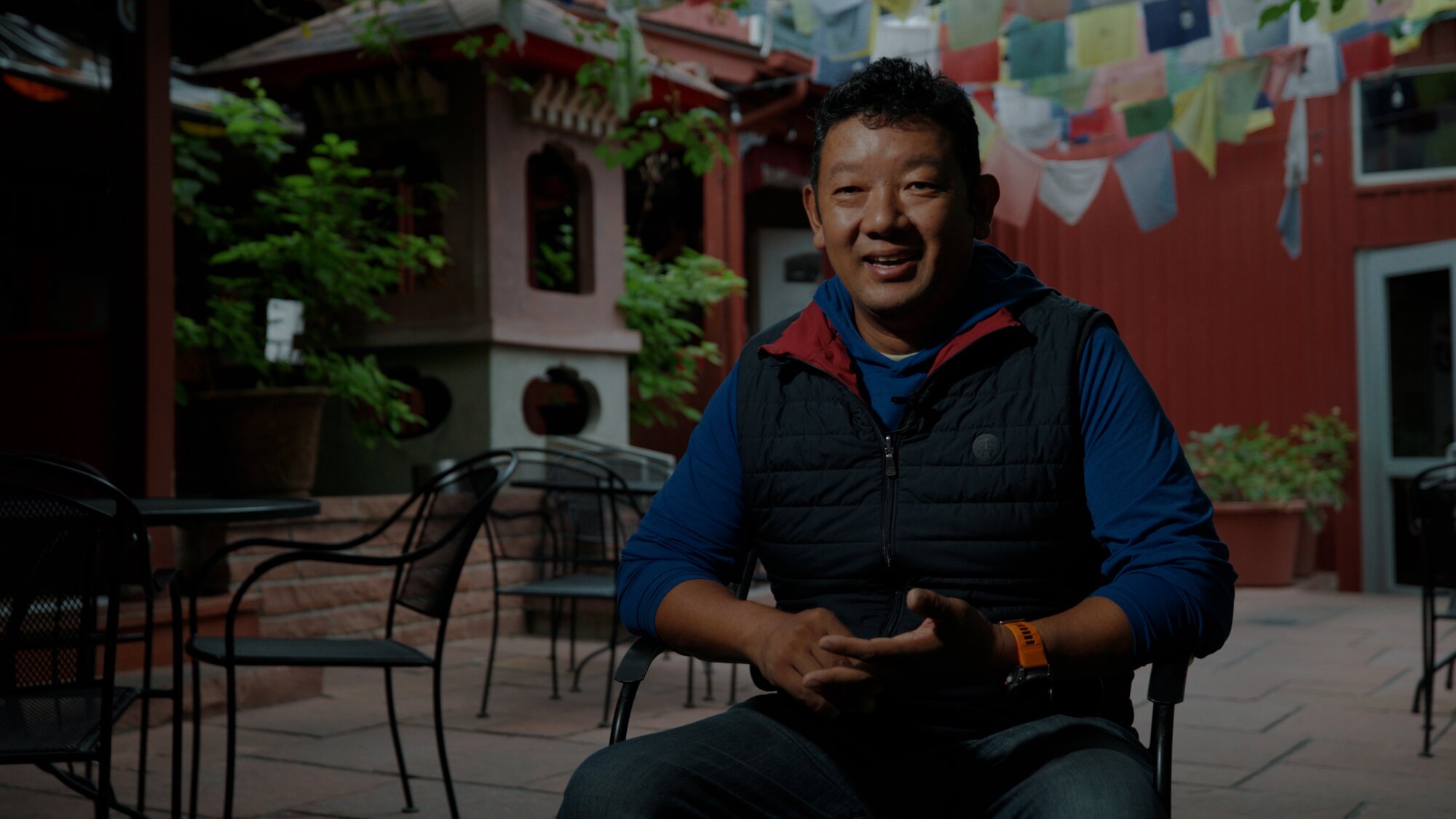
Lhakpa Sherpa, a Nepali from the Everest region, owns Sherpa Landscaping and Sherpa House Restaurant in Golden. Sherpa is also the board president of USAC, which helped organize the fundraising effort.
“It was kind of not very unusual news for us, because every year some flood comes,” Sherpa said. “When I really looked into it really in more detail, it was really, really, really huge. It was not like anything before, and so that’s when we got really panicked.”
On Aug. 26, a massive chunk of ice cleaved from a glacier and tumbled into a river valley below in Nepal’s Langtang region, kicking off a debris flow along the Trishuli River, which traveled more than 60 miles down the valley and left a path of destruction behind. Mind-boggling footage from bystanders captured the floods, which washed away a border crossing, bridges and thousands more structures.
Nearly 1,500 are confirmed dead and more than 5,200 remain missing in Nepal, making the floods one the worst natural disasters in the country’s history. On Oct. 5, the Nepali government announced that it was ending the search and rescue phase of the recovery operations.
Current missing and death tolls are not known in Tibet, an autonomous region annexed by China in 1951. Chinese state media reported 43 dead and 519 missing in an article published Sept. 6.
After learning of the devastating extent of the floods, Sherpa and other Nepalis in Colorado’s sizable ex-pat community decided to do the “only thing we can do from being out here,” and raise some funds.
Video: Lucas Boland, Rocky Mountain PBS
Sherpa estimated there are about 5,000 Nepalis in Colorado. Many operate restaurants, he said. Glenwood Springs, Nederland, Durango — many mountain towns in Colorado have at least one Nepali restaurant. The state is also home to a number of former high-altitude Nepali climbers.
USAC hosted an event in Crested Butte Sept. 26 with five climbers who collectively have climbed Everest dozens of times.
“In the first couple of days, we didn't know what to do,” Sherpa said. “After that, we became really serious about it… we talked to our community members and said let's do some fundraising.”
Sherpa and others spread the word among the Nepali diaspora by putting QR codes on tables at restaurants and posting on social media. Donations of $5, $20 and $100 quickly followed.
Sherpa said that the majority of the funds came from Sherpa people (Sherpas are a native ethnic group from the Everest region, not necessarily climbers) and the Nepali community in Colorado, but also from the broader Denver community — Sherpa House customers, friends of friends and more.
“Our community’s very strong and we have very good people around us,” Sherpa said. “When I see those [funds] coming through, I really felt glad this is what the community’s about.”
Initially, USAC’s goal was $25,000. After the quick success, they raised the goal to $50,000 before ultimately raising a bit more than $30,000 in two weeks.
For Nepalis living abroad, sending money to family back home is a well-established part of the culture, and a big part of the economy. Money from workers abroad, or remittances, comprised about a quarter of the country’s economy in 2024.
To Sherpa, this fundraising effort felt like an extension of the practice.
“We raise it together here as a community, and sending it back to Nepal felt like part of that culture: taking care, looking after our people,” Sherpa said.
Natural disasters that were already common in Nepal are now more frequent and severe because of the effects of climate change in the Himalayas.
A study published Oct. 8 in Scientific Reports said that floods in Nepal are driven by seasonal monsoons, extreme precipitation events and rare glacial lake outbursts. But climate change is changing the conditions in Nepal.
“A warming landscape with increased precipitation extremes is preconditioned for an increased frequency of flooding and mass movement events,” the study said. “Similarly, widespread glacier mass loss is increasing the number of glacial lakes and therefore potential GLOF [glacial lake outburst flood] occurrence.”
The study shared findings that though the hazards are increasing, so too is the amount of building in flood-prone areas.
“Between 2016 and 2023, building area located within 0–50 m vertical proximity to river channels increased by approximately 46%,” the study said.
The 2026 floods were the latest incident among a string of other disasters.
Just last year, the country’s “Gen Z" protests against corruption in the government roiled Kathmandu. Government buildings were burned, the prime minister was forced to resign and 76 people were killed, mostly student protesters at the hands of security forces.
In 2015, a massive earthquake killed at least 8,857 people in Nepal and sparked an avalanche on Mount Everest that killed 22.
Sherpa said that all the difficulties have made Nepalis a strong people.
“Nepalese and Sherpa people are very resilient… over there people work very hard for their life, to raise their children,” Sherpa said. “That's how the Sherpa people became very resilient and very patient.”
Type of story: News
Based on facts, either observed and verified firsthand by the reporter, or reported and verified from knowledgeable sources. To read more about why you can trust the journalism of Rocky Mountain PBS, please visit our editorial standards and practices page.
Based on facts, either observed and verified firsthand by the reporter, or reported and verified from knowledgeable sources. To read more about why you can trust the journalism of Rocky Mountain PBS, please visit our editorial standards and practices page.