
National park reservations may favor wealthier visitors, study finds
share
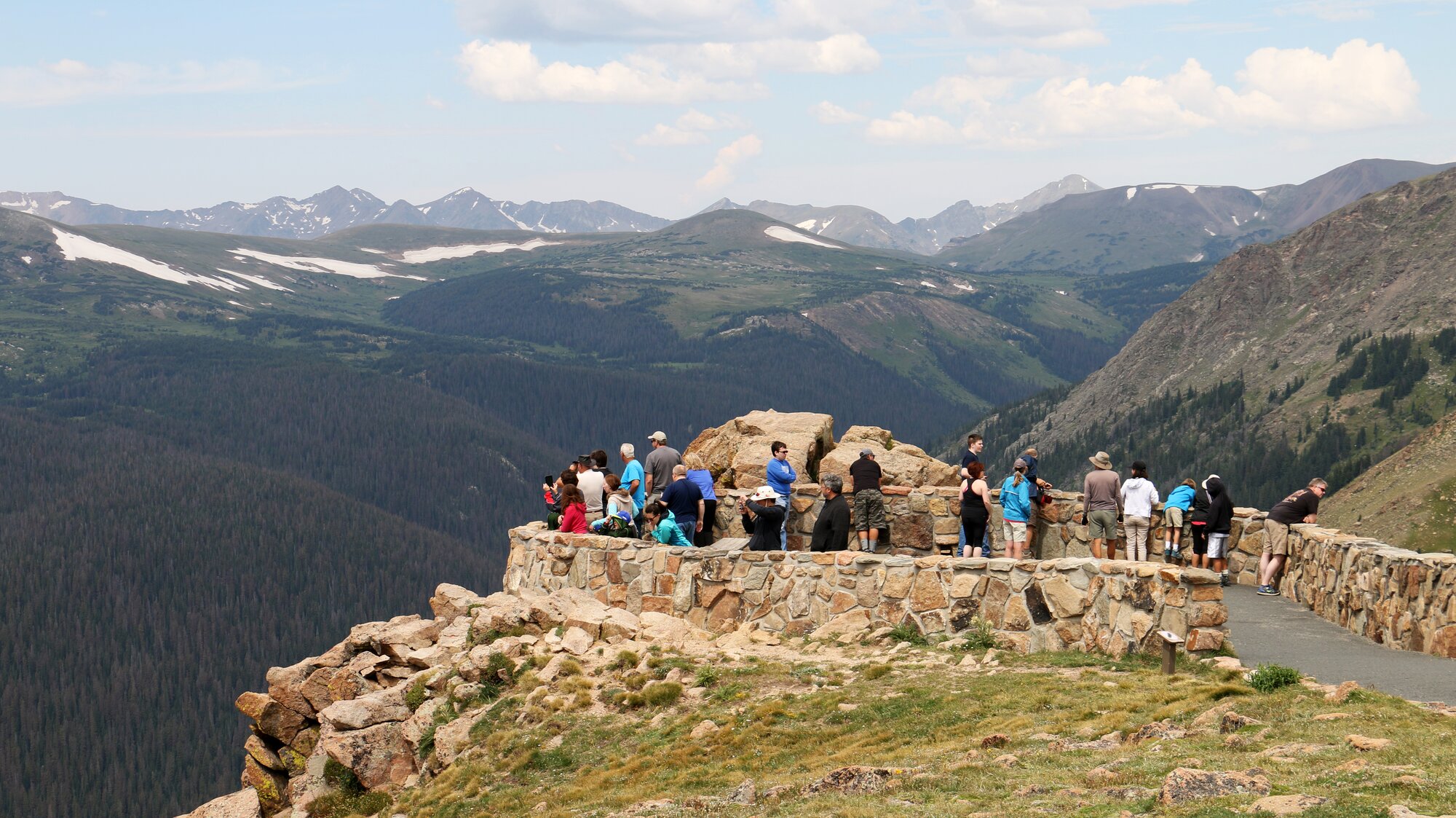
BOULDER, Colo. — As more people recreate outside, accessing Colorado’s most-coveted outdoor destinations can sometimes feel like its own adventure.
Land stewards across the U.S. have turned towards online reservation systems to manage crowds, parking and natural resources. At Rocky Mountain National Park, for example, visitors must buy a timed-entry permit to access the park during peak summer hours.
But new research from University of Colorado, Boulder economist Jonathan Hughes found that these reservation systems may favor wealthier visitors. The research shows that issues of accessibility in the outdoors are not limited to expensive ski resorts — where inequities are well-documented — but expand into public lands as well.
In the study, Hughes analyzed reservation data from 2021 to 2024 at seven national parks — Acadia, Arches, Glacier, Haleakala, Mount Rainier, Rocky Mountain and Yosemite.
Hughes found that for the most competitive permit windows — in which permits sold out in a matter of minutes — permit holders tended to come from wealthier zip codes. He also found a correlation between income and how far in advance permits are released. Visitors who secured permits months in advance tended to come from higher-income areas than those who booked day-of, or the day before.
“If you go back to the foundational documents of the National Park Service, you see over and over again this idea of equal access…making no distinction between class or race or anything,” Hughes said. “There’s some evidence now that these systems can provide unequal access, that certain types of people have a better chance of getting permits than other folks.”
Although lotteries and reservations have helped to control crowds and manufacture solitude for decades in popular destinations, such as Colorado’s Indian Peaks Wilderness, permit systems exploded in popularity during the COVID-19 pandemic, Hughes said.
In 2024, a record-setting 331.8 million people visited national parks. Meanwhile, the NPS has lost nearly a quarter of its permanent employees since President Trump took office. At least one-fifth of the nation’s national parks are “significantly strained and understaffed” because of the administration’s cuts.
Arches, Glacier and Yosemite National Parks did away with their timed-entry system in February, citing a desire to keep parks “open and accessible.” But five national parks — Acadia, Carlsbad Caverns, Haleakalā, Rocky Mountain National Park and Shenandoah National Park — require vehicle reservations in 2026.
Rocky Mountain PBS reached out to Rocky Mountain National Park for comment but did not receive a response.
Hughes’ desire to study reservation systems started with his own experience navigating websites like recreation.gov to book campsites for his family.
“I couldn’t help but think that maybe not everyone would have an equal chance participating in the process,” Hughes said, reflecting on his own experience mashing the refresh button during permit drops.
There are a number of factors that could explain the income disparity Hughes documented in his research.
One possible explanation is internet access. Higher income households may have access to faster internet connections that allow them to nab permits quicker. Higher-income households are also more likely to use a computer instead of a phone to access the internet, which could also make it faster to reserve permits, Hughes said.
Another explanation is that people who work lower-income jobs may be less able to plan vacations months in advance — or take time off work.
Although zip code data provided Hughes with a valuable starting point, one of the limitations of current research is that Hughes couldn’t see individual demographics of permit holders. The other limitation is that it’s nearly impossible to study people who don’t get permits, or choose to forgo the process altogether.
That means that even though advance permits may be skewed towards visitors from higher-income zip codes, it’s harder to determine whether reservations have fundamentally changed the demographics of who’s visiting parks altogether.
By experimenting with different permit release windows, land managers may be able to come up with more equitable systems, Hughes said. Random allocation methods such as lotteries could be more equitable in other cases.
“I think a lot of people, when they see results of studies like this, their natural inclination is to say, ‘well, we should get rid of this system.’ There are a lot of good reasons why a park might want to have a timed entry system,” Hughes said.
“We have these systems. Now let's try and understand whether the features, the characteristics, the ways that we do that, have any effects on who actually gets a permit.”
Type of story: News
Based on facts, either observed and verified firsthand by the reporter, or reported and verified from knowledgeable sources. To read more about why you can trust the journalism of Rocky Mountain PBS, please visit our editorial standards and practices page.
Based on facts, either observed and verified firsthand by the reporter, or reported and verified from knowledgeable sources. To read more about why you can trust the journalism of Rocky Mountain PBS, please visit our editorial standards and practices page.