
Indigenous garden at Fort Lewis College brings students closer to their cultural roots
share
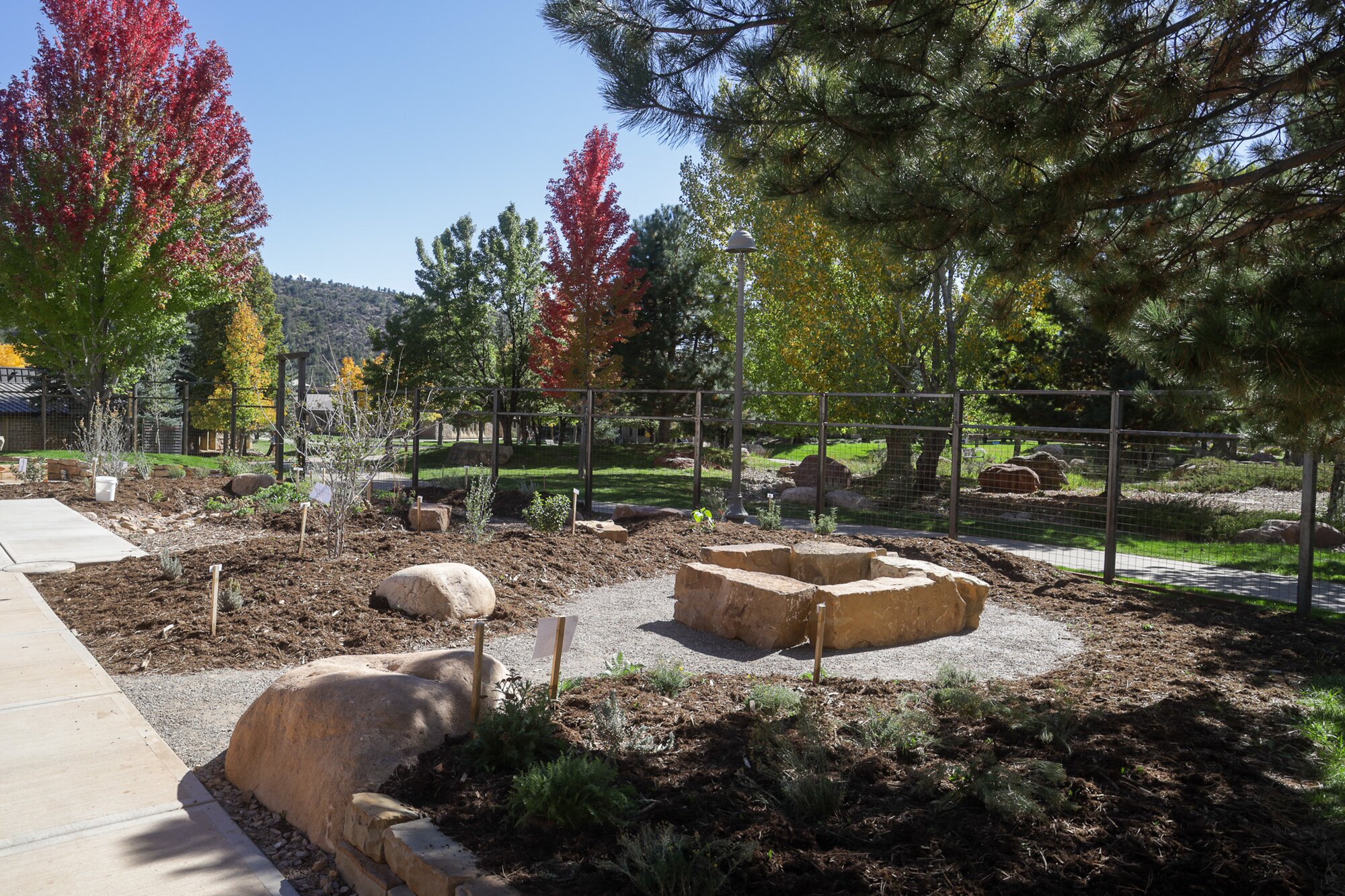
DURANGO, Colo. — When Steve Bradfield Jr. walks past the new Indigenous Garden at Fort Lewis College, he often stops to chat with the plants.
“I'll say hello or just have conversations with them because they do hear us,” Bradfield said. “They do listen to us.”
For Bradfield, a Native American and Indigenous studies major, the garden is more than a collection of plants. It's a place to connect with nature, learn Indigenous traditions and build community.
The garden officially opened with a ribbon-cutting ceremony Oct. 2. It features more than 30 plant species native to the region, including sagebrush, yarrow, chokecherry and yucca.
The plants are grouped by their uses — medicine, food and natural dyes. Other plants support pollinators. A large table provides space for outdoor classes and community gatherings, and a nearby circle of rocks serves as a space for smudging, an Indigenous cleansing ceremony involving the burning of sacred plants.
The project grew out of years of discussions among Indigenous students and faculty about food sovereignty, cultural traditions and creating a space to share Indigenous knowledge on campus.
Bradfield, 48, joined the project as a summer intern in June. He spent part of his internship researching tribal nations before helping plant the garden in August.
More than 40 volunteers, including students, faculty and community members, took part in the planting. Bradfield worked with several others in a section dedicated to plants used for arts and crafts.
Before joining the project, Bradfield had little gardening experience. As a visual artist, he was especially fascinated by plants that produce natural dyes.
“I didn't realize that dye came from plants,” he said.
Bradfield grew up in Cleveland, Ohio, and has Dakota, Santee, Yankton and Navajo heritage. He said the 2016 Standing Rock protests against the Dakota Access Pipeline inspired his interest in Indigenous studies.
The protests opened his eyes to the challenges Indigenous communities face in protecting their land and cultural heritage. In 2017, he joined other water protectors for a march in Washington, D.C.
“It's very important that we learn the importance of treating our plants like they're our family,” Bradfield said. “We take care of them, they'll help bring nourishment to us.”
Type of story: News
Based on facts, either observed and verified firsthand by the reporter, or reported and verified from knowledgeable sources. To read more about why you can trust the journalism of Rocky Mountain PBS, please visit our editorial standards and practices page.
Based on facts, either observed and verified firsthand by the reporter, or reported and verified from knowledgeable sources. To read more about why you can trust the journalism of Rocky Mountain PBS, please visit our editorial standards and practices page.