
Wolves preying on livestock won’t be as easily removed
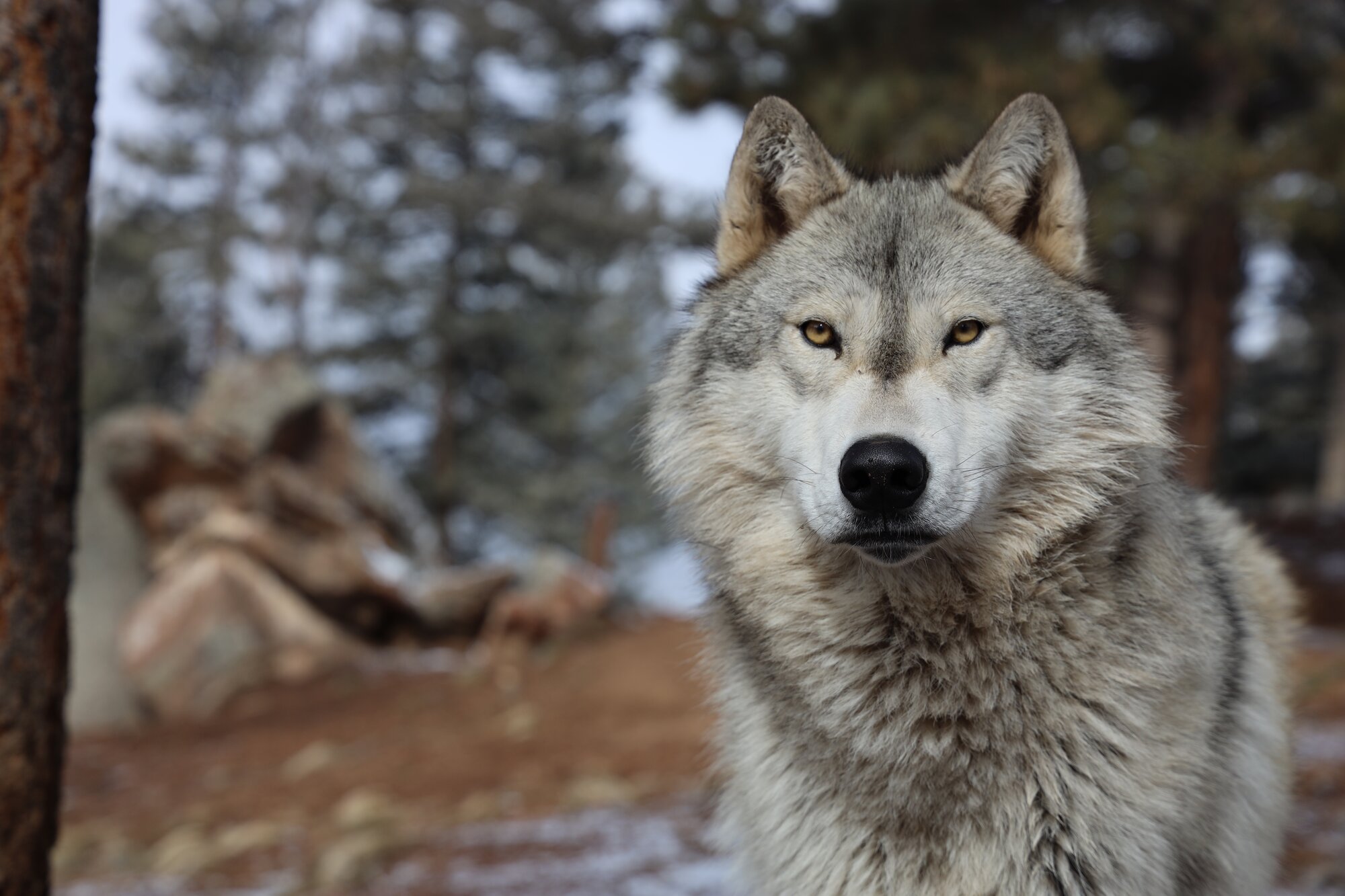
DENVER — There are not enough wolves in Colorado for the state wildlife agency to keep using its current standards to kill the ones that prey on livestock, Colorado Parks and Wildlife announced in a press release. The agency said it is temporarily stopping its “chronic depredation directive” because of concerns over the wolf population growth.
In May 2025, CPW adopted this directive to address concerns from ranchers that wolves were attacking livestock and disrupting their operations. The guidelines said if a wolf or wolves attack the same livestock herd three times within a 30-day period, CPW should euthanize that wolf. Killing the animals was a last resort, as the directive requires livestock producers and wildlife managers to try a number of other tools first like instituting non-lethal hazing measures to keep wolves away.
Since April 1, 2026, CPW has killed five wolves because of chronic depredation. The agency is also investigating another death of a wolf in the state.
“Each decision to lethally remove a wolf is painstakingly evaluated and considered, and this option has only been pursued when all other viable options have been exhausted,” said Laura Clellan, director of CPW.
CPW announced it will consider any more lethal removals of wolves on a “case-by-case” basis and will be “using a very conservative approach.”
Currently, CPW believes there are 45 gray wolves living in Colorado. Twenty of those wolves are pups who were born this year. Biologists estimate wolf pups have about a 50% chance of making it to adulthood.
CPW also reported the adult survival rate of wolves from April 2025 to April 2026 was 61%, which is below the 75% survival rate of a typical unharvested wolf population.
Colorado voters in November 2020 narrowly passed Proposition 114 which directed CPW to transfer gray wolves into the state to establish a breeding population. In response, CPW developed a wolf restoration and management plan, requiring Colorado to bring 30-50 total wolves into the state over a three to five year period starting in 2023.
CPW has struggled with finding wolves to translocate over the years. Agreements changing with states and tribes in the northwestern part of the U.S. have changed, and the federal government has halted any more transplants from Canada. CPW said it continues to explore options for future translocations and will step up other actions to help protect livestock from wolves.
CPW said it plans to extend the range riding season in certain areas based on wolf conflict and livestock producer willingness. And CPW will plan to work on two petitions that people submitted to the Parks and Wildlife Commission this year. One is concerning damage compensation from wolves and the other is about changes to the chronic depredation rules.
To learn more about the history of wolves, origin of the ballot initiative and concerns from ranchers, watch the RMPBS documentary, “Colorado Experience: Return of the Wolf,” available to stream on YouTube and RMPBS+.
Based on facts, either observed and verified firsthand by the reporter, or reported and verified from knowledgeable sources. To read more about why you can trust the journalism of Rocky Mountain PBS, please visit our editorial standards and practices page.