
Pipe Dreams: The Wait for Clean Water
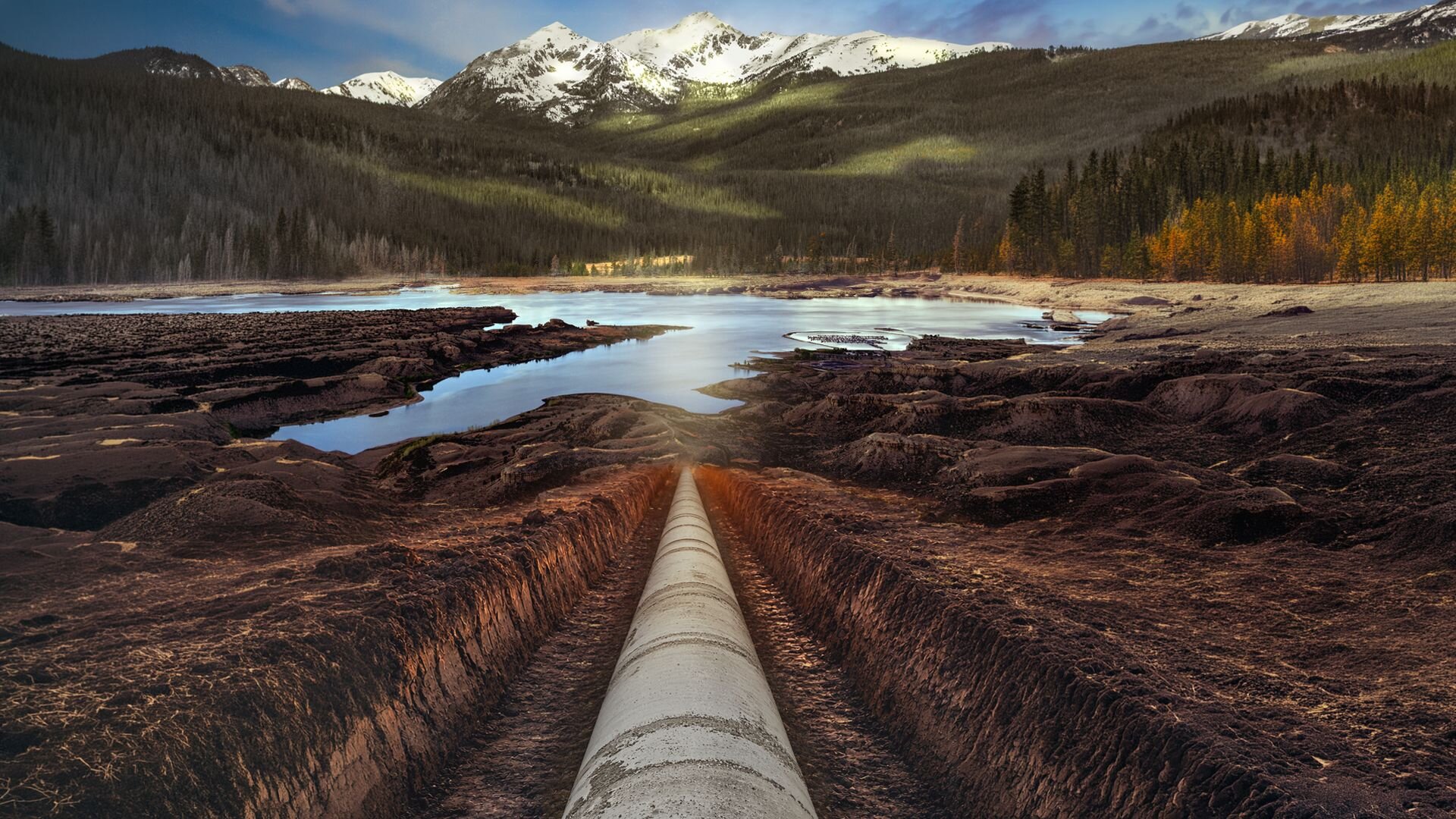
DENVER — Bea Jae Viescas doesn’t drink the tap water from her Rocky Ford home. She buys bottled water for drinking, and she fills up jugs at the nearby filtration station every two weeks for cooking and filling her dogs’ water bowls. Many of her neighbors share a similar routine.
“The biggest reason that I chose to quit drinking the water here in Rocky Ford was the increase of cancer in a small town,” said Viescas, who has lived in the town for 17 years.
"In 2010, I noticed that there was probably three or four people that I knew that had cancer. Within just a few years, there was like 12 that had cancer,” she said. “At first you kind of joke, ‘Oh, it's in the water’ like pregnancy, right? But then it's not funny anymore because it might actually be in the water.”
Communities in the Lower Arkansas River Valley, including Manzanola, May Valley and Hasty do not have safe drinking water. These communities, as well as 14 others in the area, have high levels of radionuclides — radium, uranium, radon — above the Environmental Protection Agency’s (EPA) safe drinking water standards. Drinking high levels of radium and uranium is associated with adverse health effects including cancer and kidney problems.
For more than 60 years, leaders have tried to address the water issues in the region. The Southeastern Colorado Water Conservancy District formed in 1958 with the purpose of pursuing legislation and projects that would bring clear water from the Western Slope to the Arkansas River Basin.
In 1962, President John F. Kennedy signed the Fryingpan-Arkansas Project Act and visited Pueblo to celebrate. Congress approved $170 million for the project, which built canals, tunnels, dams and reservoirs to divert water from the western part of the state to the Eastern Plains.
But federal funding didn’t cover everything.
The Arkansas Valley Conduit, which would bring water to 50,000 people across five counties, originally had to be paid for by the local communities, who couldn't afford it. It wasn’t until 2009 that the federal government agreed to pay for 65% of the project, leaving the local communities with a more viable path forward. The project broke ground in 2023, and the Southeastern Colorado Water Conservancy District and the federal government’s Bureau of Reclamation have built about 12 miles of the pipeline since then.
The conduit will provide a more sustainable, accessible option for clean drinking water than current solutions like reverse osmosis and bleach treatment can offer.
Some residents are hesitant about the pipeline and concerned about the cost of an already over-budget project falling on their shoulders.
To Bill Long, board president of the Southeastern Colorado Water Conservancy District, and residents such as fourth-generation farmer Chuck Hannigan, the conduit is the expensive but necessary key to the region’s future.
“I think there's value in moving forward with it because this is communities,” Hannigan said.
“There's history here. There's a lot of good that comes out of the valley. We probably are going to see some higher costs. But we're going to be able to live here where I want to live.”
Bea Jae Viescas has lived in Rocky Ford for 17 years. The water in Rocky Ford doesn't violate EPA standards, but Viescas is still afraid to drink from her tap because she's noticed so many of her neighbors receiving cancer diagnoses. Instead, she fills up jugs at a nearby filtration station, where she uses the water for cooking and for her dogs, and relies on bottled water for her and her family’s own hydration. Viescas works as a teacher at Rocky Ford High School, where she occasionally helps the P.E. teacher sell 50-cent bottled water to students to encourage them to stay hydrated.
Retired farmer Jerry Bay lives in Cheraw in Otero County. He's lived in the town for 75 years. He helps run his community well system, which serves 32 households. The system uses bleach to remove bacteria, but the treatment can't remove radionuclides. Bay still drinks the water from his community's well, though he said he'd feel better if the water was cleaner. He understands the importance of the conduit, but he thinks it will be overpriced.
Shanna Riley, Jerry Bay's stepdaughter, lives about 20 minutes away from her mother and stepfather and worries about them drinking the tap water. Riley installed a reverse osmosis and triple filtration system in her home for $10,000, which she is still paying off. Reverse osmosis is a treatment process that removes radionuclides, but it's expensive and raises questions about what to do with the discharged contaminants once they've been removed from the water.
Map of Planned Arkansas Valley Conduit
Meet the production team behind the episode


Based on facts, either observed and verified firsthand by the reporter, or reported and verified from knowledgeable sources. To read more about why you can trust the journalism of Rocky Mountain PBS, please visit our editorial standards and practices page.